Loading...
First Round of Abstract Submission Ends: Dec 30, 2026
Extended Early Bird Ends: Aug 28, 2026

Plenary Speakers

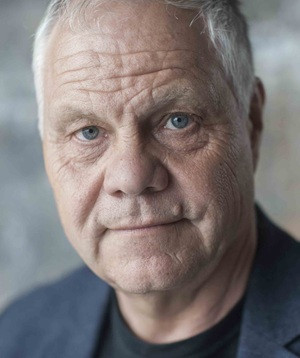
Prof. Jean-Michel Claverie
Aix-Marseille University School of Medicine, France
Title: The Puzzling Genomics of Giant Viruses
Dr. Jean-Michel Claverie* is Professor Emeritus of Medicine at Aix-Marseille University. He completed his initial training at the University of Paris, pursuing a multidisciplinary program combining biochemistry, computer science, and theoretical particle physics, which he synthesized in a doctoral dissertation (Dr. Sc.) devoted to the mathematical modeling of biological systems (1977).

He subsequently held research positions at the CNRS in Paris, the Salk Institute (La Jolla, California), the Pasteur Institute (Paris), the National Center for Biotechnology Information (NIH, Bethesda, MD), and at Incyte Pharmaceuticals (Palo Alto, CA) before returning to France in 1993 to establish the Laboratory of Structural and Genomic Information (IGS) with his wife and colleague, Dr. Chantal Abergel.

The IGS laboratory is best known for the discovery and characterization of the first families of “giant” viruses (2003), which profoundly challenged fundamental concepts regarding viruses, their evolution, and their role in all environments.

Over the past 20 years [1], his team has described five new families of giant viruses, some of which were unearthed from ancient layers of Siberian permafrost (dating back more than 48,000 years), giving rise to the concept of “zombie viruses,” which is now making headlines in the mainstream media.

He has won numerous scientific awards, including the prestigious CNRS Silver Medal (in 2003) and the Jaffé Prize (in 2019) awarded by the French Academy of Sciences. His 275 scientific articles have been cited more than 25,000 times. Together with Dr. Cédric Notredame, he co-authored the best-selling book “Bioinformatics for Dummies.”

He has been a long-standing member of the scientific advisory boards of France’s leading genomics organizations (Génoscope, France Genomics, National Sequencing Center) and served on the scientific advisory board of the Max Planck Institute as well as on the board of reviewing editors of the journal Science for over 10 years.
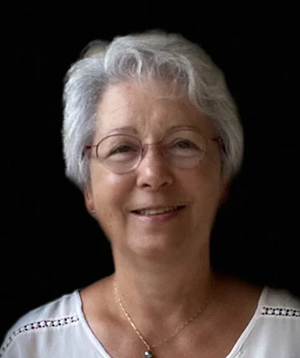
Prof. Pascale Guicheney
Institute of Cardiometabolism and Nutrition, INSERM, France
Title: Identification of a New Protein that Impairs Cardiac Electrical Function and Promotes Arrhythmogenesis
Inserm researcher since 1980, research director since 1995, I headed the research unit 582 “Pathophysiology and therapy of striated muscle” (2003- 2008), and made a major contribution to the understanding of the genetics of congenital myopathies and muscle dystrophies (1994-2010). My past and current research projects also focused on genetics of hereditary cardiac arrhythmias (long QT syndrome, Brugada syndrome, catecholergic polymorphic ventricular tachycardia, idiopathic ventricular fibrillation, lone atrial fibrillation and early repolarization syndrome) and functional consequences of mutations in ionic channel subunits or associated proteins. We use molecular, immunohistochemical and electrophysiological techniques to determine how mutations that are linked to arrhythmia can alter the function of voltage-gated channels expressed in the heart. We identified numerous mutations in several ionic genes that regulate the repolarization phase of the cardiac action potential, including the voltage-gated K+ channels, and the first KCNQ1 mutations causing Jervell and Lange Nielsen syndrome, a syndrome associating long QT syndrome and deafness, and the cardiac sodium channel. We also studied rare variants in CACNA1C, RYR2 and CALM3 leading to calcium dysregulation identified by exome sequencing. We are interested in SNPs that modify the effect of a lone mutation or explain pleiotropic effect or variable penetrance in families.
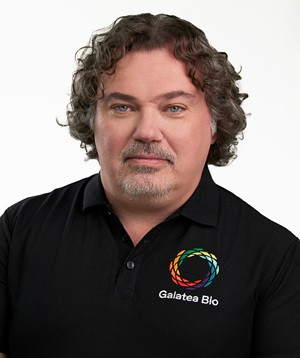
Prof. Nicholas Katsanis
Galatea Bio, USA
Title: To be confirmed.
Dr. Nicholas Katsanis is a renowned human geneticist and molecular biologist, widely recognized for his contributions to the field of medical genetics, particularly for his work on defining the ciliopathies, a clinically and genetically diverse group of disorders. The recipient of numerous international awards, Dr. Katsanis has been instrumental in building new paradigms and approaches to understand the genetic architecture of rare disorders and deploying these paradigms to improve diagnostics, patient management, and the development of new therapies. Prior to co-founding Galatea Bio Dr. Katsanis was the Founding Director of the Center for Human Disease Modeling at Duke University, has held held appointments at the Duke Department of Cell Biology, Pediatrics, and Molecular Genetics and Microbiology. Before Duke, he was on the faculty at the Institute of Genetic Medicine, Johns Hopkins University and the Department of Molecular and Human Genetics at Baylor College of Medicine.
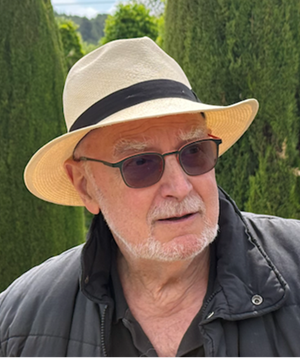
Prof. Jacques S. Beckmann
University of Lausanne, Switzerland
Title: To be confirmed.
Professor Jacques Beckmann is a leading geneticist and clinical bioinformatician with a career spanning academia, clinical genetics, and genomics research. He served as Head of Clinical Bioinformatics at the Swiss Institute of Bioinformatics (SIB) (2012-2016), following ten years as Professor and Chair of Medical Genetics at the University of Lausanne and Head of the Medical Genetics Service at CHUV. Earlier, he held a professorial chair in Molecular Genetics at the Weizmann Institute of Science (Israel).

Originally trained in molecular genetics, he pioneered marker-assisted genetic improvement in plants and animals during the 1980s, contributing to the development of quantitative trait loci (QTL) approaches. From 1990 onward, he focused on human genetics, holding senior positions at CEPH, Généthon, and the Centre National de Génotypage (CNG, France), where he contributed to human genome mapping and the identification of disease genes, including loci associated with muscular dystrophies and diabetes.

Professor Beckmann has authored more than 400 peer-reviewed publications and has an h-index of 112. He is a member of the Academia Europaea and has served on the editorial boards of several scientific journals.

Research interests: genomic disorders, rare diseases, complex trait genetics, and clinical bioinformatics.

Specialties: Medical genetics, clinical bioinformatics, positional cloning, genome-wide association studies (GWAS), and copy-number variation (CNV) analysis.
Prof. Olaf Riess
University of Tübingen, Germany
Title: Adaptive reaction of my personal genome - a personalized health perspective
Prof. Riess, MD, is full professor for Medical Genetics and Director of the Institute of Medical Genetics and Applied Genomics. He is also founder and acting director of the Rare Disease Center Tübingen. He has more than 20 years of experience in clinical genetics and research of genetically caused disorders. He currently is and has been coordinator of numerous international, European and national funded consortia such as EUROSCA, MEFOPA, TECHGENE, RATstream, Neuromics, and SOLVE-RD (together with Holm Graessner). He is also PI and spokesperson of one of four DFG funded NGS Competence Centers in Germany. OR serves in numerous advisory boards such as the German initiative for Rare Diseases (NAMSE), the EFSN task force on spinocerebellar ataxias, the executive member of the Ataxia study group (ASG), as a board member of the International Rare Disease Research Consortium IRDiRC (Diagnostics Scientific Committee), the rare disease working group of the 1+MG project, and most recently to the Ministry of Health on the implementation of genome diagnostics into the health care system (genomDE). For several years he was also a board member of the study section Neuroscience (Fachgutachter) of the German Research Foundation (DFG) and an associated Member of the Commission on genetic diagnostics (Gendiagnostik-Kommission) of the Ministry of Health (BfG). He is an active member of three European Reference Networks (ERNs). From 2016 to 2017 he served as President of the European Society of Human Genetics (ESHG). From June 2021 to March 2023 he served as President of the German Human Genetics Society. Published >500 papers.
Prof. Andres Aguilera
University of Seville, Spain
Title: Causes and consequences of genome instability
Professor of Genetics (University of Seville), he got his PhD in 1983. After a stay in the Solar Energy Research Institute (Denver, CO, USA), and two postdocs in Darmstadt Technical University (DE) and NYU Medical Center (USA), he started his lab in late 1990 in the Department of Genetics of the University of Seville, moving in 2006 to CABIMER, as co-founder and Vicedirector. He has been Director of CABIMER (2016-2024), Chair of Department of Genetics, University of Seville (2013-2016) and Chair of Dept Molecular Biology, CABIMER (2006-2016), among other responsibilities, and established and set up the Genomics Unit of CABIMER. His major research interests are RNA-mediated genome instability and recombinational DSB repair, his research having been pioneering in connecting RNA metabolism with DNA dynamics, and in the identification of R-loops and transcription-replication conflicts as a source of genome instability.
Prof. Adi Kimchi
The Weizmann Institute of Science, Israel
Title: An intrinsically disordered RNA-binding protein that regulates ribosomal biogenesis during metabolic transitions
Born in Tel Aviv, Prof. Adi Kimchi earned MSc and PhD degrees with distinction in microbiology from the University of Tel Aviv. She continued her studies at the Weizmann Institute of Science, where she performed postdoctoral research. She then joined the Department of Molecular Genetics which she headed between 2001 and 2006. She was the Chair of the Council of Professors at the Weizmann Institute, the President’s Advisor for Advancing Women in Science, and was also a member of the Council for Higher Education in Israel for six years. Prof. Kimchi is the incumbent of the Helena Rubinstein Professorial Chair in Cancer Research.

Prof. Adi Kimchi is internationally recognized as a pioneer and a leader in the field of programmed cell death, a fundamental process in cell biology. She discovered key factors (DAP genes) that control a cell's decision to live or die and through them she identified novel signaling pathways which drive different forms of cell death. The discovery of these genes was made possible thanks to a pioneering technology that she developed, which was based on functional-genetic screens by targeting the RNA. In parallel, she developed systems levels views on the entire network of cell death proteins. It led to the establishment of several new principles including the discovery of bi-directional links between apoptosis and autophagy and of back-up mechanisms which are utilized to maintain the robustness of cell death responses. Her research may have important implications for the development of novel therapies for cancer and other human diseases.

Prof. Kimchi published 160 papers in leading journals and 22 book chapters. Her work is highly cited and she is frequently invited to present her achievements in international meetings. Among the prizes and honors she has received are the EMET Prize in Physiology (2012), the ICDS Lifetime Achievement Award for Outstanding Contributions to the Field of Cell Death (2012), the Teva Award (2007), the Sergio Lombroso Award in Cancer Research (2006), the Seroussi Award for Cancer Research (2002), the Landau Award for Excellency in Biology and Biotechnology (1999), and the Milstein Award for Excellence in Cytokine Research (1999). She was elected to EMBO in 2000, to the Academia Europaea in 2008, to the European Academy of Cancer Sciences in 2011, and to the Israel Academy of Sciences and Humanities in 2015.
Prof. Edison Liu
The Jackson Laboratory, USA
Title: Host genetics that determine immune checkpoint response
Jackson Laboratory Professor, President Emeritus, and Honorary Fellow, Edison Liu, M.D., is an international expert in cancer biology, systems genomics, human genetics, molecular epidemiology and translational medicine with a focus on breast cancer. He has authored more than 350 scientific papers and reviews and co-authored two books. He obtained his B.S. in chemistry and psychology, as well as his M.D., at Stanford University. He then received his residency and fellowship training at Washington University, St, Louis, and Stanford, and postdoctoral training in molecular oncology at the University of California at San Francisco with Nobel Laureate, J. Michael Bishop.

From 2012 to 2021, Dr. Liu was the president and CEO of The Jackson Laboratory, an independent research institute focused on complex genetics and functional genomics. During his tenure, JAX grew significantly in revenue, employee headcount, international presence, research scope, philanthropy and physical footprint. Under Liu’s leadership, JAX established The Jackson Laboratory for Genomic Medicine in Farmington, Conn., and added production facilities in Ellsworth, Maine and Japan and established a joint venture in China to the institution’s headquarters campus in Bar Harbor, Maine, and production facility in Sacramento, Calif.

Previously (2001-2011), he was the founding executive director of the Genome Institute of Singapore and the president of the Human Genome Organization (HUGO). He was also the scientific director of the National Cancer Institute's Division of Clinical Sciences in Bethesda, Md. (1997-2001), where he was in charge of the intramural clinical translational science programs. In his earlier career, Dr. Liu was a faculty member at the University of North Carolina at Chapel Hill, where he was the director of the UNC Lineberger Comprehensive Cancer Center's Specialized Program of Research Excellence in Breast Cancer; the director of the Laboratory of Molecular Epidemiology at UNC's School of Public Health; and the Chief of Medical Genetics.

Throughout his career Dr. Liu has received numerous accolades and awards, including the AACR Rosenthal Award and the Brinker International Award, both for breast cancer research; the Public Service Medal from the President of Singapore for his contributions to resolving the SARS crisis; and the Chen Award for Distinguished Academic Achievement in Human Genetics. He was elected to the American Society of Clinical Investigation, as President of the Human Genome Organization (HUGO), as a foreign member of the European Molecular Biology Organization, and as a Fellow of the American Association for the Advancement of Science (AAAS). Dr. Liu has served on the governing boards of the AACR, American Cancer Society, and the Foundation for the NIH. He holds honorary degrees from Queen’s University (Belfast, Northern Ireland), University of Southern Maine, and Colby College (Waterville, Maine).