First Round of Abstract Submission Ends: Dec 30, 2026
Extended Early Bird Ends: Dec 28, 2026
Keynote Speakers
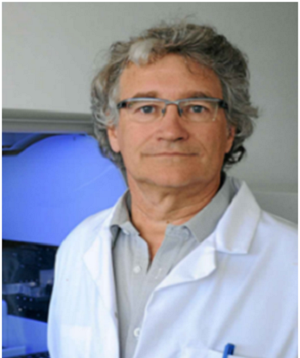
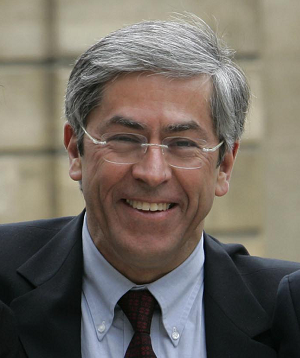
Prof. Avraham A. Levy
Weizmann Institute of Science, Israel
Title: To be confirmed.
Prof. Avraham Levy received a Ph.D. in plant genetics from the Weizmann Institute of Science, Israel, in 1987. He conducted postdoctoral research at Stanford University, USA, and INRA, France. In 1992, he joined the Weizmann Institute, where he served as Department head and Dean. His research addresses the mechanisms underlying the plasticity and biodiversity of plant genomes, including DNA recombination and repair, and polyploidization. He is using these mechanisms to develop precise genome-engineering methods for sustainable food production systems. He is a recipient of the Landau Prize in Plant Sciences (2016), an Advanced ERC grant, the Enid MacRobbie Corresponding Membership Award for 2023 from the American Society of Plant Biology, and an Associate member of the French Academy of Agriculture, and serves as a Reviewing editor for The Plant Cell.
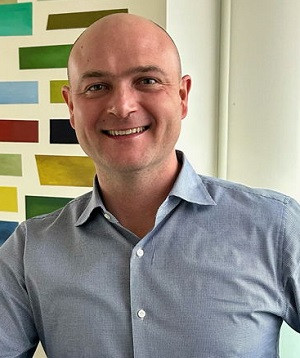
Prof. Thierry Voet
Belgium
Title: Single-Cell and Spatial Multi-Omics to study Human Development, Ageing and Diseases
Thierry Voet graduated with a Master in Bioscience Engineering: Cell and Gene Biotechnology from the University of Leuven (KU Leuven, Belgium), and holds an inter-university post-graduate in Human Genetics. Following his PhD in the Human Genome Laboratory at KU Leuven, he pioneered single-cell microarray analyses, and in 2010, he joined in the Cancer Genome Project at the Wellcome Sanger Institute (Cambridge, UK) to explore next-generation sequencing technologies for single-cell genomics, which led to an Associate Faculty membership. In 2014, he became Associate Professor at KU Leuven following a tenure track, and was appointed Professor in 2017 and Full Professor in 2022. He is lead-founder and Director of the KU Leuven Institute for Single Cell Omics (LISCO). His research focuses on (1) the development of methods for single-cell and spatial multi-omics, and (2) their application to study the biology of cellular heterogeneity in human development, aging and disease.
Dr. PRIOLEAU Marie-Noelle
France
Title: Genome-wide mapping of common fragile sites in neural precursor cells highlights genes in neuropathologies and brain tumorigenesis
M-N Prioleau, director of research at Inserm, leads a team at the Jacques Monod Institute (IJM, Paris, France). She obtained her PhD in Molecular biology in 1994, working with Dr. M. Méchali. Then, M-N Prioleau stayed for three years in the laboratory of Dr. G. Felsenfeld at the NIH (Bethesda, USA). In 1998, she joined the team of O. Hyrien at the ENS in Paris where she started to work on mechanisms involved in origin selection. In 2005, she joined the IJM to establish her laboratory. Her group was the first to map replication origins at a large scale in human cells, to explore the link between replication origins and epigenetic marks, to demonstrate the role of G-quadruplex (pG4) in the activity of model origins and finally to identify dimeric pG4s as key organizers of replication origins in vertebrates. More recently, the team has focused on identifying chromosomal fragile regions during human brain development using brain organoids as a model system.
Prof. Alexandre Reymond
University of Lausanne, Switzerland
Title: To be confirmed
Alexandre Reymond carried out his thesis in the laboratory of Dr. Viesturs Simanis at the Swiss Institute for Experimental Cancer Research (ISREC) and received his Ph.D. from the University of Lausanne in 1993. After completion of his postdoctoral training with Dr Roger Brent in the Department of Molecular Biology, Massachusetts General Hospital and in the Department of Genetics, Harvard Medical School in Boston, he moved to the Telethon Institute of Genetics and Medicine (TIGEM) in Milan in 1998 to lead a research group. He joined in 2000 the Department of Genetic Medicine and Development, University of Geneva Medical School. He moved to the Center for Integrative Genomics in October 2004 and was its Director from 2015 to 2022. He is a past President of the European Society of Human Genetics (2019-2021) and was the Chair of its Scientific Program Committee from 2020 to 2026.
Dr. Valérie Pezo
Genoscope, Institut François Jacob, France
Title: From Xeno-Nucleic Acids to Bacteriophage Genomes with modified DNA
Will update soon
Prof. Alain R. Thierry
Université de Montpellier, France
Title: Circulating DNA: Opening a New Dimension in Genomics
Following pioneering works on gene therapy solutions for cancer and HIV and on DNA auto-organization complex formation in the US (Georgetown Lombardi Cancer Center, Washington DC; and NCI, Bethesda, Prof RC Gallo, chief), A.R. Thierry's contributed to circulating DNA (cirDNA) implementation in clinic and basic research, especially in oncology. In particular, his work at the IRCM-INSERM (Montpellier, France) where he leads the "Biomarkers for Precision Oncology" team, focused on the structure, origins and function of cirDNA. He also coordinated studies on the clinical validation and the clinical utility in using cirDNA analysis. He now conducts research on the impact of neutrophil extracellular traps (NETs) on cirDNA biology and inflammatory diseases. He has pioneering works on cirDNA fragmentation, and proposes potential solutions towards cancer screening with using fragmentomics expanding the boundaries of genomics.
Prof. Davor Lessel
University Regensburg, Germany
Title: From Ultra-Rare Patients to Fundamental Principles of Human Biology
Prof. Davor Lessel is Professor and Chair of Human Genetics at the University of Regensburg and Head of the Institute of Human Genetics and the Institute of Clinical Human Genetics at University Hospital Regensburg, Germany. Before moving to Regensburg, he served as Professor and Head of the Institute of Human Genetics at University Hospital Salzburg, Austria. He is a physician-scientist whose research extends beyond classical human genetics into functional genomics, RNA biology, molecular biophysics, and translational medicine. His work seeks not only to identify disease-causing genes, but to understand in quantitative molecular detail how genetic variation perturbs cellular systems and gives rise to human disease. His research spans the human life course, from genetic mechanisms contributing to embryonic and fetal lethality, through neurodevelopmental disorders, to premature ageing and cancer-related mechanisms. His group combines genomic discovery with functional studies, CRISPR/Cas genome engineering, patient-derived iPSC models, and quantitative molecular analyses to connect genetic variation with disease mechanisms. In parallel, his laboratory explores how these mechanistic insights can be translated into new therapeutic concepts, including the development and characterization of small molecules targeting fundamental cellular pathways.
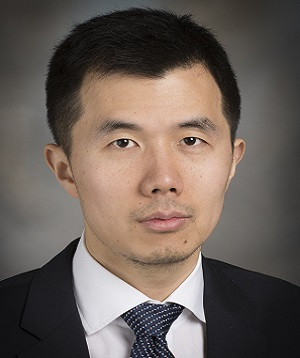
Dr. Yiwen Chen
University of Texas MD Anderson Cancer Center, USA
Title: Large-scale approaches for decoding the "dark" proteome in human cancer
Dr. Yiwen Chen is an Associate Professor in the Department of Bioinformatics and Computational Biology at The University of Texas MD Anderson Cancer Center. He received his Ph.D. in Physics/Biophysics from the University of North Carolina at Chapel Hill and completed postdoctoral research training at Harvard Medical School and the Dana-Farber Cancer Institute.
Dr. Chen’s laboratory focuses on developing and applying cutting-edge computational, AI-powered, and multi-omic integrative frameworks to decode complex biological systems. His research integrates bulk and single-cell/spatial translatomics (Ribo-seq), proteogenomics, and multi-omics data to uncover novel translation events, particularly the identification, characterization, and functional impact of cryptic non-canonical open reading frames (ORFs), and their roles in tumor progression and cancer immunology. On the translational side, his group leverages these functional non-canonical translation products and RNA-mediated regulatory networks to identify novel therapeutic targets and predictive multi-omic biomarkers for targeted therapy and immunotherapy.
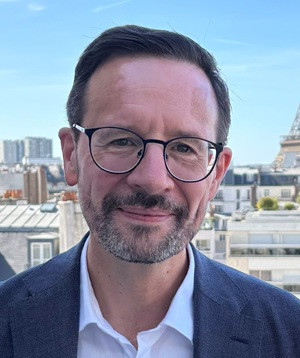
Prof. Etienne Bucher
Agroscope, Switzerland
Title: Crop genome dynamics in the context of climate change
Etienne Bucher studied plant virology at Wageningen University and then researched epigenetic mechanisms at the Gregor Mendel Institute in Vienna and at the University of Geneva. He was leading research groups at the University of Basel, at INRAe in France and finally at Agroscope in Switzerland. At Agroscope his research group develops novel breeding approaches to adapt crops to climate change. He has led an ERC Consolidator project on epigenetics, transposable elements and crop breeding.
Prof. Arnold Munnich
Necker Enfants Malades Hospital, France
Title: What can we learn from Mendelian forms of autism spectrum disorders?
Arnold Munnich is a medical doctor since 1979, he received a PhD in sciences in 1988 under the direction of Axel Kahn.
In 1989, he was appointed professor of genetics at the University of Paris V (René Descartes). At Necker Enfants Malades Hospital, he directed the INSERM unit of « Children genetic handicaps » until 2014.
He is one of the Founders of the Institute IMAGINE (Institut des Maladies Génétiques de l’Enfant) within the Necker Enfants Malades Hospital.
His fields are medicine, pediatrics, genetics and molecular biology. He is known worldwide for the diagnosis of children’s metabolic illnesses.
Scientific Work:
Arnold Munnich has dedicated his research to the identification of the genes responsible of neurological, metabolic, malformed, and sensorial handicaps of children.
At the Necker Enfants Malades Hospital, he has created the department of Genetics, bringing together all the skills necessary to the transfer from research in genetics to practical applications for sick persons and their family.
He has succeeded to put together:
• A unit of research for identification of the genes responsible of handicaps,
• A unit of clinical genetics, and
• A unit of pre and postnatal clinical molecular genetics.
This multi skill group has succeeded to localize more than fifty genes responsible of illnesses:
Among these illnesses, one can quote: the Achodronplasie, the Hirschsprung illness, the Spinal amyotropy, the Holt–Oram syndrome, the Stargardt macular dystrophia, the Leber Amaurose, The Pearson syndrome, the Saethre-Cotzen craniostenose…
Bibliography:
Author or Co-author of more than 1000 scientific papers
Books :
• La Rage d’espérer. La génétique au quotidien (1999) (The mania of hope. The daily genetic).
• Programmé mais libre (2016) (Coded but free)
Honours:
• Member of the French Academy of Sciences since November2004.
• Advisor to the President of France for biomedical and health research (2008-2012)
• Officer of the Legion of d’Honneur (2014)
Scientific Recognitions:
• Jean-Hamburger Prize of the city of Paris (1994).
• Jean –Pierre Lecocq Prize of the French Academy of sciences (1999).
• Eloi Collery Prize of the French Academy of medicine (1999).
• Grand Prize of INSERM (Institut National de la Santé et de la Recherche Médicale (2000).
• Jean Bernard Prize of the Foundation for medical research. (2001).
• Prize of the European Society of Human Genetics (2007).
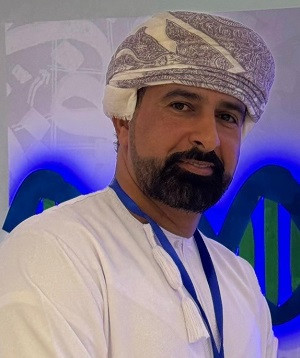
Dr. Ahmed Al Amri
Royal Hospital, Oman
Title: Integrating Artificial Intelligence with Whole Exome Sequencing to Unravel the Genetic Landscape of Inherited Cardiomyopathies in Omani Families
Dr. Ahmed Al Amri is a Consultant in Molecular Genetics and Head of Training & Professional Staff Development at the National Genetics Center, Royal Hospital, Oman. With over 26 years of experience in molecular genetics, genomics, and laboratory medicine, he has played a key role in advancing genetic diagnostics, professional training, and genomic research in Oman. Dr. Al Amri holds a PhD in Molecular Biology and Medical Genetics from the University of Leeds, UK, along with Master's degrees in Medical Microbiology and International Business Management. His research focuses on next-generation sequencing, variant interpretation, and the application of artificial intelligence in genomic medicine. He has led and collaborated on several nationally funded research projects and has presented his work at regional and international scientific conferences. Passionate about education and capacity building, Dr. Al Amri has been actively involved in developing training programs, mentoring healthcare professionals, and promoting excellence in genetic and genomic services.
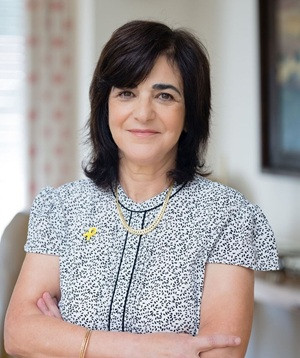
Prof. Rivka Dikstein
Weizmann Institute of Science, Israel
Title: Translational Regulation and Cross-UTR Interactions through Precise mRNA-End Mapping and Machine Learning
Prof. Rivka Dikstein earned her PhD from the Weizmann Institute of Science and conducted postdoctoral research at the University of California, Berkeley. In 1997, she joined the faculty of Biochemistry at the Weizmann Institute of Science. From 2019 to 2022, she served as Head of the Department of Biomolecular Sciences. In 2022, she was appointed Dean of the Faculty of Biochemistry. Prof. Dikstein is the incumbent of the Ruth and Leonard Simon Professorial Chair of Cancer Research.
Prof. Dikstein investigates one of the most fundamental questions in biology: how the regulatory information encoded in our genes is decoded to produce proteins. Her research aims to achieve a deep mechanistic understanding of the various stages of gene expression, particularly transcription and mRNA translation, the interconnections between these stages, and their roles in disease. Her studies have led to seminal discoveries that have advanced our understanding of the transcriptional control of inflammation and neurodegenerative disease, the coordination between transcription and mRNA translation, and novel mechanisms of translational regulation. Her work has also led to the identification of drugs with potential therapeutic effects against inherited neurodegenerative diseases, cancer, and viral infections.
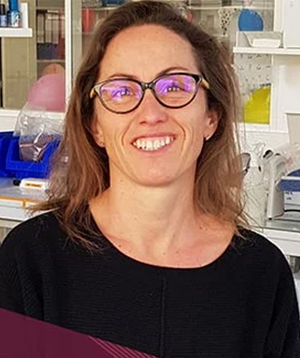
Dr. Isabelle PERRAULT
Institut Imagine, Paris, France
Title: From Retinal-Specific Genes to Fundamental Cell Biology: The Expanding Landscape of Retinal Dystrophies and Agnostic Therapies
For more than 30 years, I have investigated the molecular and cellular mechanisms underlying severe and early-onset retinal dystrophies (EOSRD), combining expertise in genetics, molecular biology, and cell biology.
In 2014, I developed a high-throughput sequencing panel for the identification of disease-causing variants in EOSRD. This approach enabled us to establish the genetic diagnosis in 87% of patients from a cohort recruited through the Ophthalmic Genetics Department. For the remaining 13%, I continue to investigate the underlying genetic causes using whole-exome and whole-genome sequencing, including both short- and long-read technologies, combined with transcriptomic and/or proteomic approaches.
These complementary strategies have led to the identification of novel disease genes and have revealed the involvement of TUBB4B (Luscan et al., 2017; Dodd et al., 2024), RIMS2 (Méchaussier et al., 2020), and GPATCH11 (Zanetti et al., 2024) in syndromic forms of retinal dystrophy. More recently, germline variants in DDX41, inherited in a recessive manner, were identified as a cause of SERDs (Mars et al., 2026).
The cellular and animal models developed in my laboratory provide valuable tools for investigating the pathophysiological mechanisms underlying retinal degeneration and for understanding how genetic defects ultimately lead to retinal dysfunction and disease.